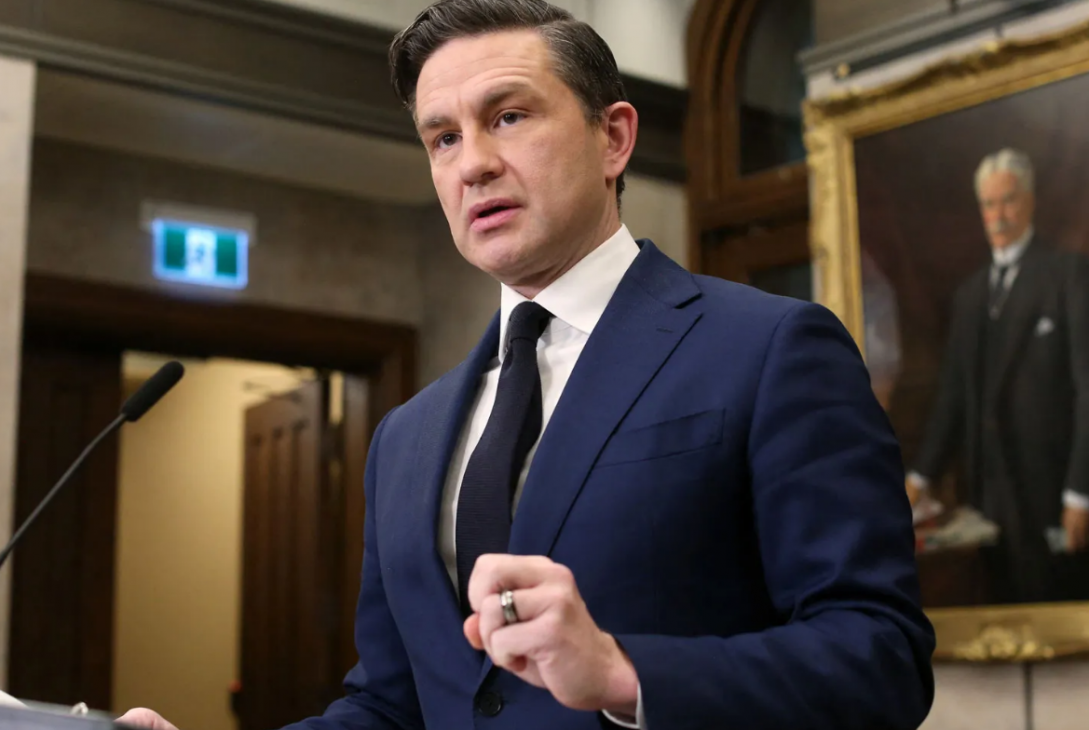
Pierre Poilievre is a Canadian politician who has built a long career in federal politics and has become one of the country’s most prominent conservative voices. Known for his direct communication style, strong parliamentary performances, and focus on economic issues, Poilievre has represented Canadians in the House of Commons for more than two decades. As leader of the Conservative Party of Canada, he has advocated policies centered on economic growth, lower taxes, government accountability, affordable housing, and individual freedom.
Born on June 3, 1979, in Calgary, Alberta, Pierre Marcel Poilievre was adopted shortly after birth by schoolteachers Marlene and Donald Poilievre. He grew up in Calgary, where he developed an early interest in politics, economics, and public affairs. His upbringing emphasized education, personal responsibility, and civic participation, values that would later become central themes throughout his political career.
Poilievre attended the University of Calgary, where he studied international relations. During his university years, he became actively involved in political organizations and public policy discussions. His interest in economics, government institutions, and constitutional issues continued to grow, leading him toward a career in public service at a relatively young age.
In 2004, at the age of twenty-five, Poilievre was elected as the Member of Parliament for Nepean—Carleton in Ontario. His victory made him one of the youngest members of Parliament at the time. Throughout his early years in federal politics, he focused on fiscal responsibility, government transparency, and policies intended to encourage entrepreneurship and economic development.
As his parliamentary career progressed, Poilievre assumed several important responsibilities within government. He served in various parliamentary secretary positions before joining the federal cabinet during the administration of Prime Minister Stephen Harper. Among his roles were Minister of State for Democratic Reform and later Minister of Employment and Social Development. In these positions, he worked on issues involving elections, employment programs, pensions, and government services.
Throughout his career, Poilievre has consistently emphasized economic freedom and financial responsibility. He has argued that lower taxes, balanced public finances, and reduced government spending can encourage investment, business growth, and job creation. His speeches often focus on inflation, affordability, household finances, and opportunities for working Canadians.
Housing affordability has become one of the defining issues of Poilievre’s political platform. As housing prices have increased across many parts of Canada, he has proposed measures designed to increase housing construction, simplify development regulations, and improve access to home ownership for younger generations. He frequently argues that increasing housing supply is essential for improving affordability over the long term.
Poilievre has also expressed strong support for expanding Canada’s natural resource industries while encouraging economic competitiveness. He has advocated responsible development of energy projects, investment in infrastructure, and policies aimed at strengthening Canada’s position in international markets. According to Poilievre, economic prosperity and responsible environmental stewardship can be pursued simultaneously through innovation and effective regulation.
Government accountability represents another central theme of his political philosophy. Throughout his parliamentary career, Poilievre has frequently questioned government spending, administrative efficiency, and public sector management. He has consistently argued for greater transparency within government institutions and believes that elected officials should remain directly accountable to Canadian citizens.
In 2022, Pierre Poilievre was elected leader of the Conservative Party of Canada following a decisive leadership campaign. His victory reflected broad support among party members who favored his emphasis on affordability, economic reform, and smaller government. As leader of the Official Opposition, he has continued to challenge government policies while presenting alternative proposals on taxation, housing, inflation, healthcare, and public finances.
Poilievre is widely recognized for his confident debating style and ability to communicate complex economic issues in accessible language. His speeches often include practical examples designed to explain how government policies affect everyday Canadians. Supporters view him as an effective advocate for economic reform and fiscal discipline, while critics sometimes challenge his policy proposals and communication style. Regardless of differing political opinions, he remains one of the country’s most influential public figures.
Outside Parliament, Poilievre maintains an active presence through interviews, community events, and digital platforms, where he regularly discusses public policy and responds to current events. His communication strategy has allowed him to connect with a broad audience and engage Canadians interested in political and economic issues.
In his personal life, Poilievre is married to Anaida Poilievre, and together they have children. He has occasionally spoken about the importance of family, education, and creating opportunities for future generations. Despite the demanding nature of political life, he frequently emphasizes the significance of community involvement and civic responsibility.
Pierre Poilievre’s political career reflects more than two decades of continuous public service and participation in national policymaking. From his early years as one of Canada’s youngest Members of Parliament to his leadership of the Conservative Party, he has remained focused on issues involving economic opportunity, affordability, government accountability, and individual freedom. As Canadian politics continues to evolve, Poilievre remains one of the country’s most prominent political leaders, contributing to national debates about Canada’s economic future, public institutions, and long-term development.