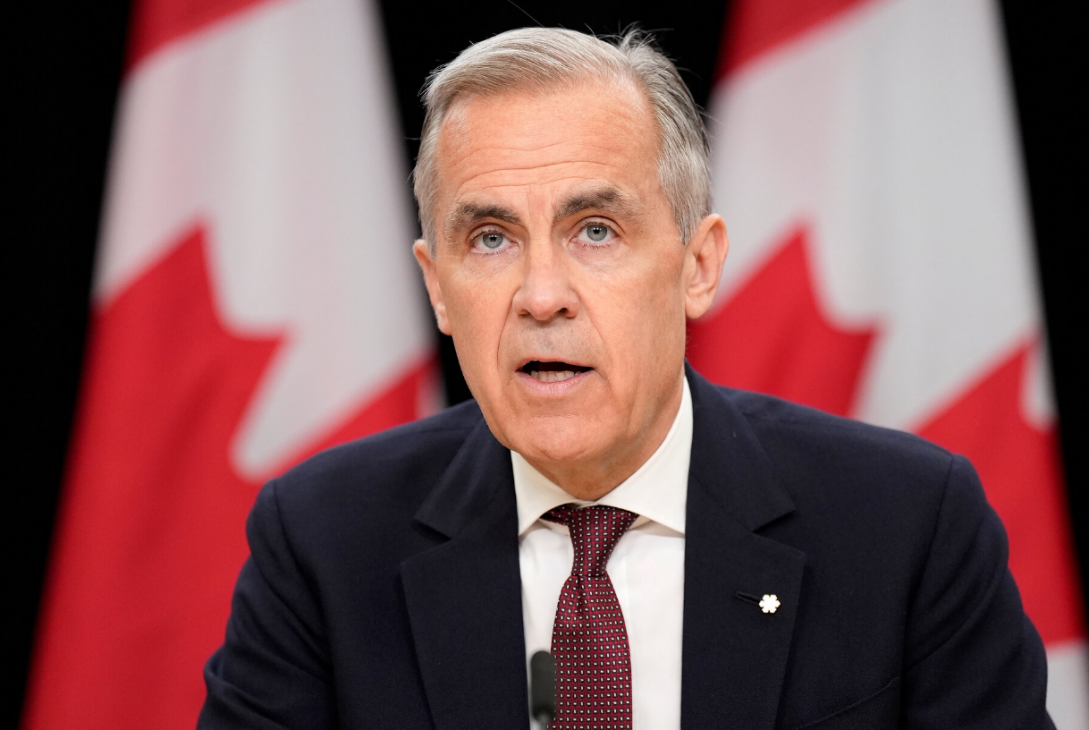
Mark Carney is a Canadian economist, banker, and politician who has built an international reputation through his work in finance, public policy, and government. Over the course of his career, he has held several influential leadership positions, including serving as Governor of the Bank of Canada and Governor of the Bank of England before entering federal politics. Recognized for his expertise in economics and financial stability, Carney has played an important role in shaping discussions surrounding global markets, sustainable finance, and economic growth.
Born on March 16, 1965, in Fort Smith, Northwest Territories, Canada, Mark Joseph Carney spent much of his childhood in Edmonton, Alberta. Growing up in a family that valued education and public service, he developed an early interest in economics, history, and international affairs. These interests eventually led him toward a career that combined finance, policymaking, and leadership on both the national and international stage.
Carney studied economics at Harvard University, where he earned a bachelor’s degree with high academic distinction. He later continued his education at the University of Oxford, completing both a master’s degree and a doctorate in economics. His academic background provided a strong foundation for understanding financial systems, monetary policy, and international markets, subjects that would define much of his professional career.
Following his education, Carney joined Goldman Sachs, where he worked for more than a decade in various international financial centers, including London, Tokyo, New York, and Toronto. During this period, he gained extensive experience in investment banking, risk management, and international finance. His work exposed him to the complexities of global financial markets and prepared him for future leadership roles within the public sector.
In the early 2000s, Carney transitioned into public service by joining the Bank of Canada and later Canada’s Department of Finance. He participated in the development of national economic policies and contributed to financial planning during periods of both economic growth and uncertainty. His analytical approach and ability to explain complex economic issues earned him respect among policymakers and financial experts.
In 2008, Carney was appointed Governor of the Bank of Canada. Shortly after assuming the position, the global financial crisis placed enormous pressure on economies around the world. Under his leadership, the Bank of Canada implemented monetary policies designed to maintain financial stability, support lending, and encourage economic recovery. Canada’s banking system remained relatively resilient during this challenging period, and Carney’s leadership received considerable international recognition.
His success at the Bank of Canada led to another historic appointment in 2013 when he became Governor of the Bank of England. He was the first non-British citizen to hold the position since the institution was established in 1694. During his tenure, Carney oversaw monetary policy, financial regulation, and banking supervision while helping guide the United Kingdom through significant economic events, including the aftermath of the global financial crisis and the uncertainty surrounding Brexit.
Throughout his years as a central banker, Carney became increasingly interested in the relationship between finance and climate change. He argued that long-term economic stability required greater attention to environmental risks and encouraged financial institutions to improve transparency regarding climate-related investments. His speeches and publications contributed to the growing international discussion surrounding sustainable finance and responsible investment practices.
After completing his service at the Bank of England, Carney continued working with international organizations, private sector companies, and global initiatives focused on economic development and climate policy. He advised governments, businesses, and financial institutions on issues related to investment, sustainability, and long-term economic resilience. His expertise remained highly sought after across both public and private sectors.
In 2025, Carney entered Canadian federal politics and became leader of the Liberal Party of Canada. Following the federal election that year, he became Prime Minister of Canada. His transition from economics to elected leadership marked a new chapter in his public career, bringing decades of financial and policy experience into the country’s highest political office. His government has emphasized economic competitiveness, fiscal responsibility, innovation, environmental sustainability, and strengthening Canada’s position in the global economy.
Carney is widely recognized for his calm leadership style, analytical thinking, and ability to communicate complex economic concepts in an accessible manner. Rather than relying on highly emotional rhetoric, he often emphasizes evidence-based decision-making and long-term planning. This approach has earned him respect from economists, business leaders, policymakers, and international institutions.
Outside of his professional responsibilities, Carney has remained involved in education, charitable organizations, and public policy discussions. He has spoken extensively at universities, international conferences, and economic forums on topics including financial stability, responsible investment, technological innovation, and the future of global markets. He has also written articles and contributed to discussions about how governments and businesses can prepare for emerging economic challenges.
Mark Carney’s career reflects an uncommon combination of academic achievement, financial expertise, and public leadership. From his work in international banking to his service as the head of two major central banks and later as Canada’s prime minister, he has consistently participated in some of the most important economic discussions of the twenty-first century. His contributions continue to influence debates surrounding monetary policy, sustainable development, financial regulation, and Canada’s economic future, making him one of the country’s most significant contemporary public figures.