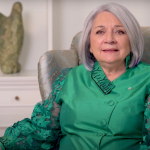
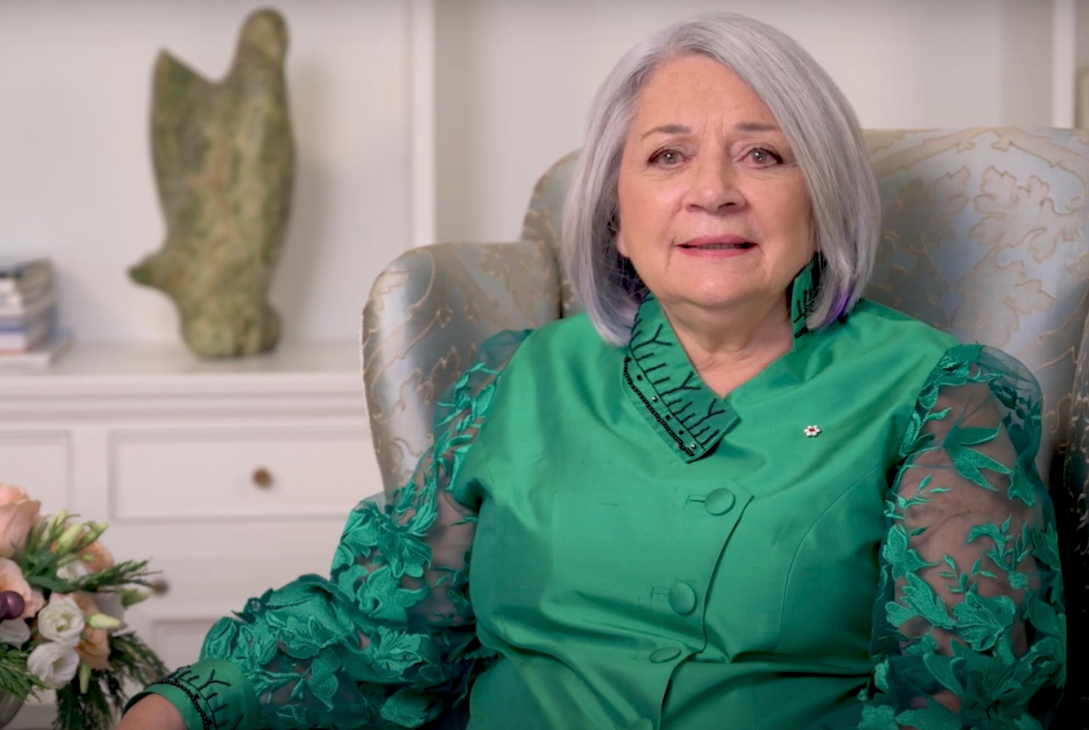
Mary Simon is a Canadian diplomat, public servant, and Indigenous leader who has dedicated her career to advancing reconciliation, Indigenous rights, environmental protection, and international cooperation. Throughout several decades of public service, she has represented Canada on both national and global stages while advocating for greater understanding of Indigenous cultures and northern communities. In 2021, Simon made history by becoming the 30th Governor General of Canada and the first Indigenous person to hold the country’s highest viceregal office.
Born on August 21, 1947, in Kangiqsualujjuaq, Nunavik, Quebec, Mary Jeannie May Simon grew up in Canada’s Arctic region. Her mother was Inuk, while her father was originally from southern Canada and worked in the region. Growing up in the North allowed Simon to develop a deep understanding of Inuit traditions, language, and culture. Her early experiences in remote northern communities shaped her lifelong commitment to protecting Indigenous heritage and improving opportunities for northern populations.
During her childhood, Simon witnessed both the strengths of Inuit culture and the challenges faced by many Indigenous communities. Limited access to education, healthcare, infrastructure, and economic opportunities became issues she would later work to address throughout her public career. Her upbringing also gave her a unique perspective on the importance of preserving Indigenous languages and traditions while encouraging cooperation between Indigenous and non-Indigenous Canadians.
Before entering diplomacy, Simon worked in broadcasting and communications, helping increase awareness of issues affecting Inuit communities. She became actively involved in organizations representing Indigenous peoples and participated in discussions concerning education, healthcare, self-government, and land rights. Her ability to build consensus and communicate effectively soon earned recognition across Canada.
One of Simon’s most significant early achievements came through her involvement in negotiations surrounding the James Bay and Northern Quebec Agreement, one of Canada’s first modern land claim agreements. Her participation helped strengthen Indigenous representation in discussions regarding land ownership, resource management, and regional governance. The agreement became an important milestone in the development of Indigenous rights within Canada.
Throughout the 1980s and 1990s, Simon assumed several leadership positions in organizations representing Inuit communities. She worked extensively on issues related to Arctic sovereignty, environmental protection, education, and sustainable development. Her advocacy extended beyond Canada, bringing international attention to the unique social, environmental, and economic challenges facing Arctic regions.
Simon’s diplomatic career expanded significantly when she was appointed Canada’s Ambassador for Circumpolar Affairs. In this role, she represented Canada’s interests in international discussions involving Arctic cooperation, environmental conservation, scientific research, and Indigenous participation in policymaking. She played an important role in strengthening collaboration among Arctic nations while emphasizing the importance of including Indigenous voices in international decision-making.
She later served as Canada’s Ambassador to Denmark, where she continued promoting cooperation between Arctic countries. During her diplomatic service, Simon frequently addressed issues involving climate change, northern development, international security, and cultural preservation. Her expertise made her one of Canada’s leading authorities on Arctic affairs and Indigenous diplomacy.
Throughout her public service, Simon remained deeply committed to advancing reconciliation between Indigenous peoples and the broader Canadian society. She consistently advocated for improved education, healthcare, housing, and economic opportunities while encouraging greater public understanding of Indigenous history and culture. She has often emphasized that reconciliation requires long-term commitment, meaningful dialogue, and practical action from governments, institutions, and communities alike.
In July 2021, Mary Simon was appointed Governor General of Canada by Queen Elizabeth II on the advice of Prime Minister Justin Trudeau. Her appointment marked a historic milestone, as she became the first Indigenous person to serve as the King’s representative in Canada. The appointment was widely recognized as an important symbol of Canada’s ongoing efforts toward reconciliation and greater inclusion within its national institutions.
As Governor General, Simon has carried out numerous constitutional, ceremonial, and community responsibilities. She has represented Canada during official state events, welcomed international leaders, presided over military ceremonies, recognized outstanding Canadians through national honours, and visited communities across the country. Throughout her tenure, she has consistently highlighted the importance of unity, respect, diversity, and public service.
Education has remained one of Simon’s strongest priorities. She has encouraged lifelong learning, literacy, youth leadership, and greater awareness of Indigenous history within Canadian schools. She frequently speaks about the importance of preserving Indigenous languages and ensuring that future generations have opportunities to learn about Canada’s diverse cultural heritage.
Environmental stewardship also continues to play a central role in Simon’s public work. Drawing upon her lifelong connection to the Arctic, she has spoken about the effects of climate change on northern communities, wildlife, and traditional ways of life. She advocates responsible environmental policies that balance economic development with long-term sustainability and the protection of natural ecosystems.
Beyond her official responsibilities, Simon has received numerous national and international awards recognizing her contributions to diplomacy, Indigenous leadership, and public service. She has also received honorary degrees from several universities in recognition of her commitment to education, reconciliation, and international cooperation.
Mary Simon’s career represents decades of dedication to strengthening relationships between Indigenous and non-Indigenous peoples while promoting Canada’s values at home and abroad. From her early work advocating for Inuit communities to her historic appointment as Governor General, she has consistently emphasized dialogue, respect, inclusion, and cooperation. Her leadership continues to inspire Canadians while reinforcing the importance of reconciliation, cultural understanding, and public service in shaping Canada’s future.