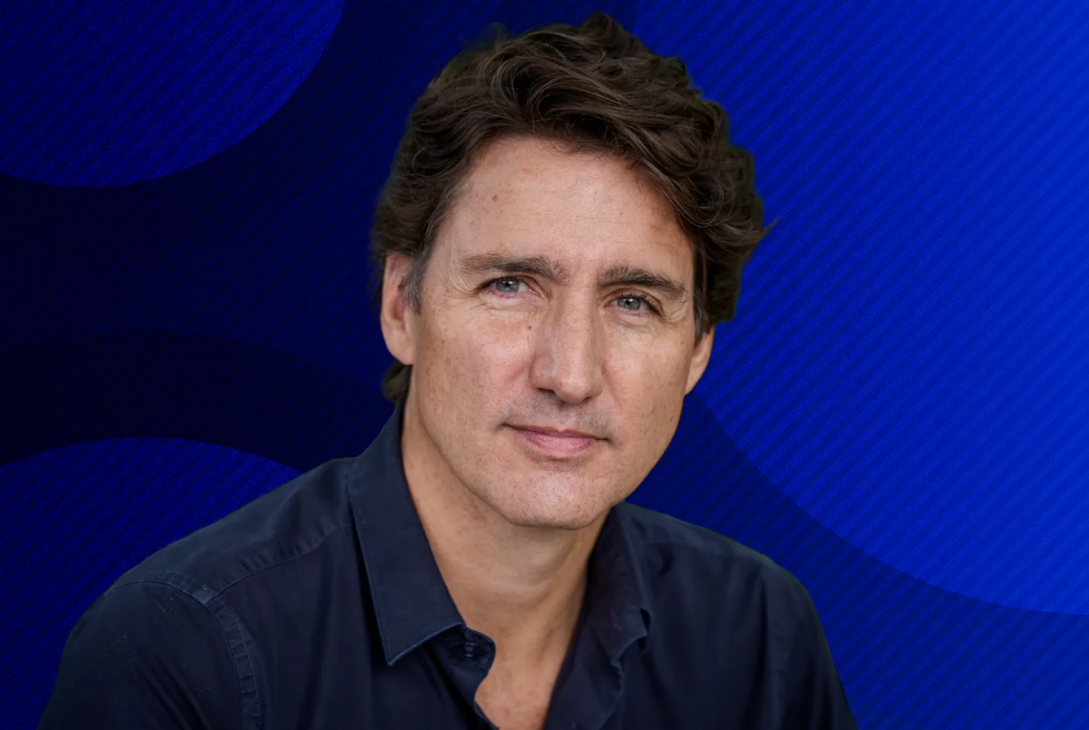
Justin Trudeau is a Canadian politician, educator, and public figure who served as the 23rd Prime Minister of Canada from 2015 to 2025. As the leader of the Liberal Party of Canada during that period, Trudeau oversaw the country through significant political, economic, and global challenges while promoting policies centered on economic growth, environmental protection, multiculturalism, and social inclusion. Throughout his career, he became one of Canada’s most recognizable political figures, attracting attention both at home and internationally.
Born on December 25, 1971, in Ottawa, Ontario, Justin Pierre James Trudeau grew up in one of Canada’s most well-known political families. He is the eldest son of Pierre Elliott Trudeau, who served as Canada’s 15th Prime Minister, and Margaret Trudeau, an author and mental health advocate. Growing up in the official residence of the Canadian prime minister exposed Trudeau to public life from an early age, although he later pursued his own path before entering politics.
Trudeau attended Collège Jean-de-Brébeuf in Montreal before earning a Bachelor of Arts in Literature from McGill University. He later completed a Bachelor of Education at the University of British Columbia and worked as a teacher, instructing students in mathematics, French, and social studies. His experience in education helped shape his communication skills and reinforced his belief in the importance of investing in future generations.
Before entering politics, Trudeau was also involved in various charitable initiatives, public speaking engagements, and youth development programs. He frequently participated in events promoting education, volunteerism, environmental awareness, and community involvement. His ability to connect with diverse audiences contributed to his growing public profile long before seeking elected office.
In 2008, Trudeau entered federal politics by winning election as the Member of Parliament for Papineau, a riding in Montreal. His election marked the beginning of a political career that would steadily gain momentum. During his early years in Parliament, he focused on issues including youth engagement, education, multiculturalism, and environmental sustainability while serving in various opposition roles.
In 2013, Trudeau was elected leader of the Liberal Party of Canada. At the time, the party was rebuilding following electoral defeats, and Trudeau emphasized optimism, economic opportunity, and inclusive leadership as central themes of his campaign. His leadership revitalized the party and helped broaden its appeal across different regions of Canada.
The 2015 Canadian federal election resulted in a Liberal majority government, making Trudeau Canada’s 23rd Prime Minister. His administration introduced a variety of domestic initiatives, including the Canada Child Benefit, increased infrastructure investments, tax changes aimed at supporting middle-income families, and expanded immigration programs. Many of these policies sought to encourage economic growth while strengthening Canada’s social support systems.
One of Trudeau’s major priorities was addressing climate change. His government introduced measures intended to reduce greenhouse gas emissions, support clean energy development, and encourage sustainable economic growth. Environmental policy became one of the defining characteristics of his administration, alongside investments in renewable energy and conservation initiatives.
Trudeau also emphasized diversity and inclusion throughout his time in office. His government promoted gender equality, multiculturalism, Indigenous reconciliation, and increased representation within federal institutions. His first cabinet attracted international attention for achieving gender parity, reflecting his commitment to broader participation in government leadership.
Internationally, Trudeau represented Canada at numerous global summits, including meetings of the G7, G20, NATO, the United Nations, and the Commonwealth. He frequently advocated for international cooperation on issues such as climate change, global trade, peacekeeping, humanitarian assistance, and democratic values. Canada’s relationships with major allies remained an important aspect of his foreign policy agenda.
During the COVID-19 pandemic, Trudeau’s government introduced a range of emergency financial support programs designed to assist individuals, businesses, and workers affected by economic disruptions. Federal assistance programs, wage subsidies, and public health measures became major components of Canada’s national response during this unprecedented period.
Throughout his political career, Trudeau experienced both significant public support and criticism. Various policy debates, ethics investigations, and political controversies generated extensive public discussion, reflecting the challenges that often accompany national leadership. Nevertheless, he remained one of the country’s most influential political figures throughout his tenure as prime minister.
Outside of politics, Trudeau has maintained interests in education, literature, outdoor activities, and sports. He has frequently participated in community events, charitable initiatives, and public discussions focused on youth development and civic engagement. His approachable communication style and active presence on social media have contributed to his broad public recognition both within Canada and internationally.
Justin Trudeau’s years in public office have had a lasting influence on Canada’s political landscape. His leadership encompassed major discussions surrounding healthcare, economic development, immigration, environmental policy, and Canada’s role on the global stage. Whether praised for his progressive agenda or criticized for particular policy decisions, Trudeau remains one of the defining Canadian political figures of the early twenty-first century. His career reflects the complexities of governing a diverse and evolving nation while navigating domestic priorities and international responsibilities in an increasingly interconnected world.